



How often should I clean inside my house? Many others ask that. Finding what works for you is often just a series of small habits despite life getting busy.
Work keeps piling up, and the children keep calling to you. Before you know it, dust bunnies are everywhere in the house.You do not have a need to clean all things for each day.
This guide breaks down exactly what to clean weekly, monthly, and seasonally, and how to build a maintenance system (not a fantasy ‘perfect home’ like on TV and in magazines) that gives you a consistently healthy, comfortable home.
Why a Structured Cleaning Schedule Matters

A good cleaning schedule does more than keep your house tidy. It protects your health and makes life easier.
Regular cleaning stops germs, bacteria, and mold from spreading. This keeps your air cleaner and your family healthier. Bathrooms and kitchens need the most attention since they stay damp.
A schedule breaks big jobs into small tasks. You won’t feel overwhelmed when everything has its time slot. You can relax instead of wondering what you forgot to clean.
Clean surfaces mean fewer germs for everyone. Kids play on floors. Pets walk everywhere. Regular cleaning keeps these spaces safe for family members with allergies or asthma.
Your home and belongings cost money. Regular maintenance makes them last longer. Clean appliances work better. Vacuumed carpets don’t wear out fast. A little care now saves you money later.
1. Daily Cleaning Tasks
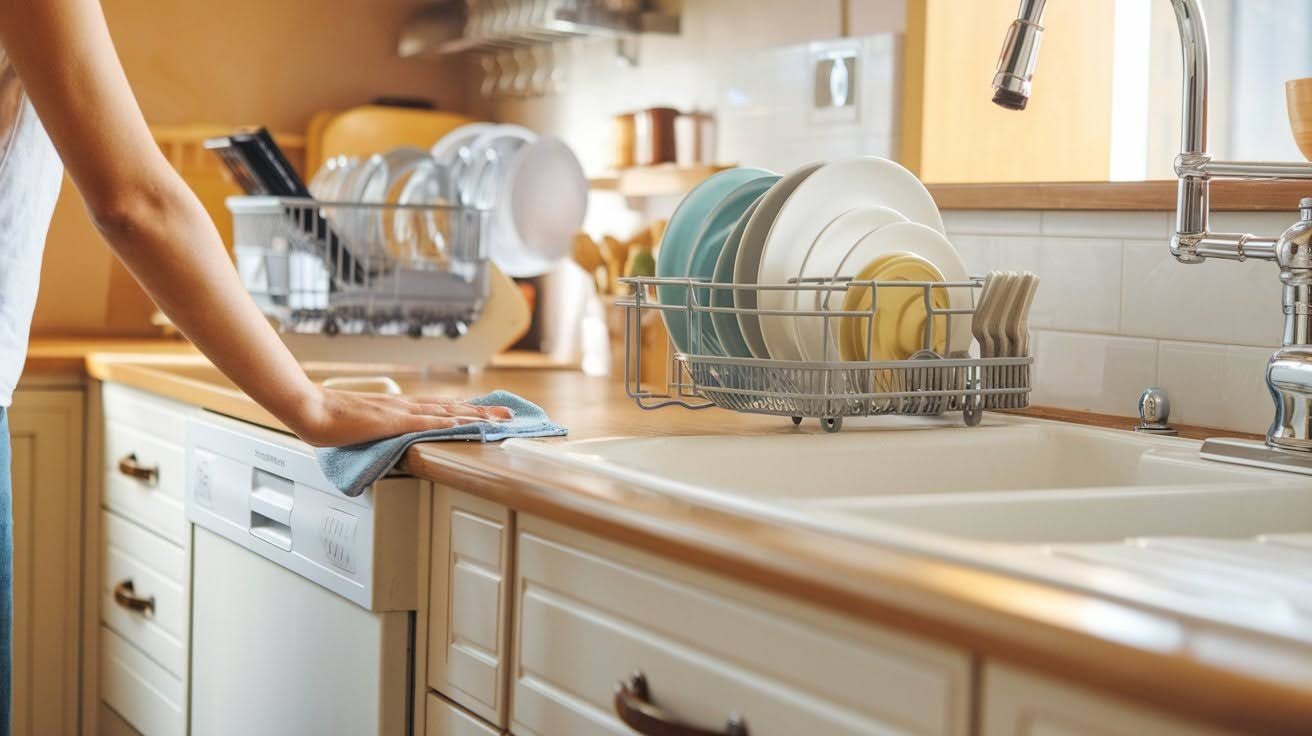
Keep your home fresh with quick daily habits. These small tasks prevent bigger messes later. Spend just 10 to 15 minutes each day, and you’ll notice the difference.
Kitchen Surfaces
Wipe your countertops after cooking or eating. Use a disinfectant spray or soap and water. Clean spills right away. This stops bacteria from spreading and keeps pests away. A clean counter makes your whole kitchen feel better.
Dishes and Dishwasher
Wash your dishes every day. Don’t let them pile up. You can skip pre-rinsing to save time and water. Just scrape off food scraps. Run your dishwasher once a month with vinegar or baking soda. This keeps it clean and smelling fresh.
Sinks and High-Touch Areas
Your sink touches raw food and dirty hands. Sanitize it daily with a bleach solution or a cleaning eraser. Wipe down faucets, cabinet handles, and light switches. These spots collect germs fast. A quick wipe takes seconds but makes a big impact.
2. Every Few Days
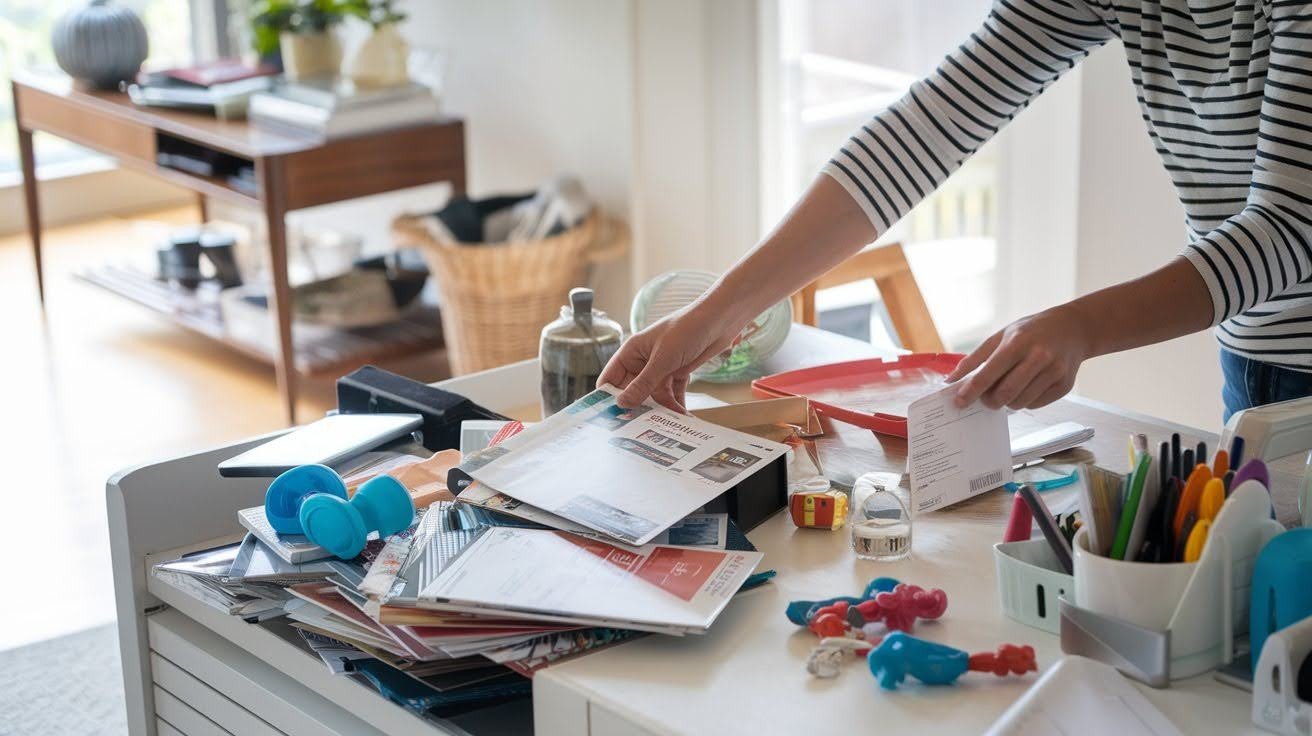
Some tasks don’t need daily attention but shouldn’t wait a week. Handle these every two to three days.
Decluttering
Clear off your counters, tables, and other surfaces. Put away mail, toys, and random items. Less clutter means less dust. It also makes your weekly cleaning much easier. High-traffic areas like entryways need this the most.
Bathroom Sinks
Clean your bathroom sink and drain every few days. Use a disinfectant cleaner. This prevents bacteria from building up. Wipe the faucet and handles too. Keep a cleaning spray under the sink for quick touch-ups.
3. Weekly Cleaning Tasks
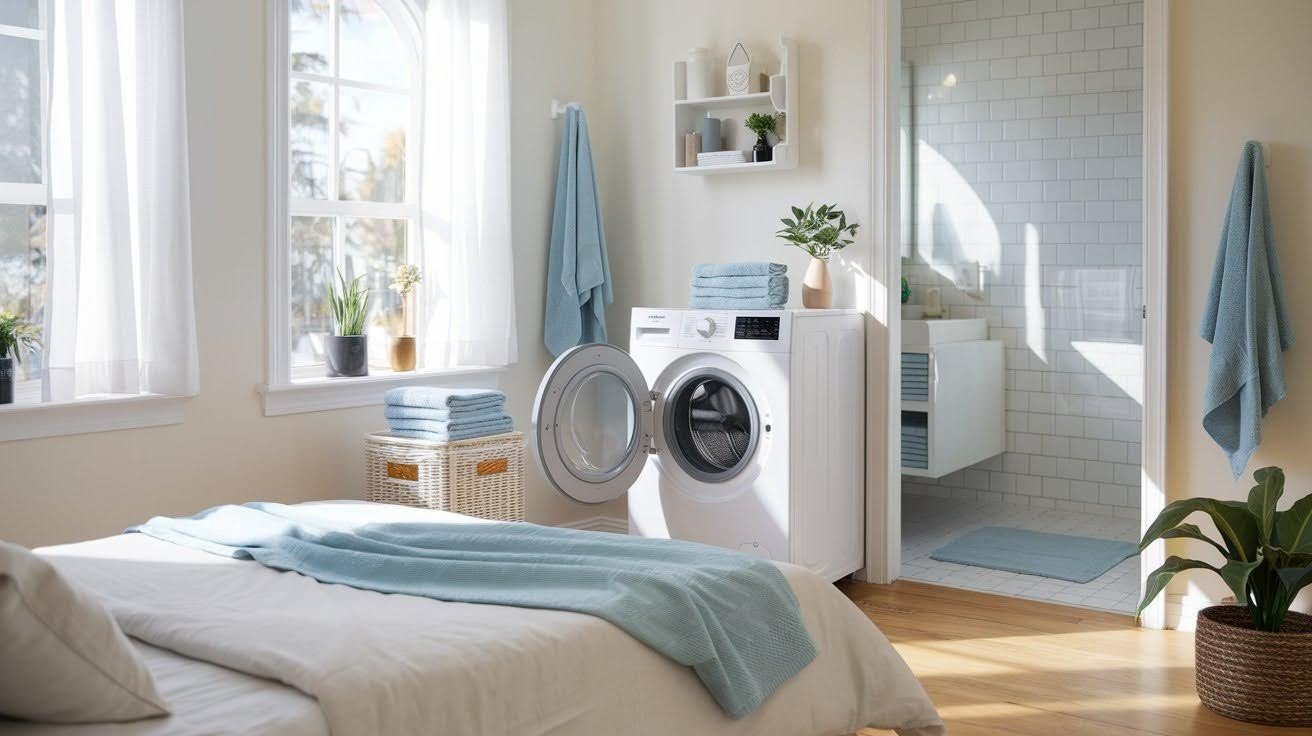
Set aside time each week for deeper cleaning. These tasks keep your home truly healthy and comfortable.
Bedding and Towels
Wash your bed sheets once a week. If you have pets or allergies, wash them every three to four days. Change your towels after every third use or when they feel damp. Clean linens reduce allergens and help you sleep better.
Bathroom Deep Clean
Scrub your toilet, shower, and sink weekly. Don’t forget the tiles and grout. Wash your shower curtain every week. Mold and bacteria love damp bathrooms. A weekly clean keeps these problems away.
Floors and Carpets
Vacuum your carpets and rugs at least once a week. Mop hard floors with appropriate cleaner. Focus extra attention on hallways, kitchens, and entryways. These areas get the most foot traffic and dirt.
Door Handles and Knobs
Wipe down all door handles weekly. Pay special attention to kitchen and bathroom doors. These handles get touched constantly. A quick wipe with disinfectant makes a difference.
4. Monthly Cleaning Tasks
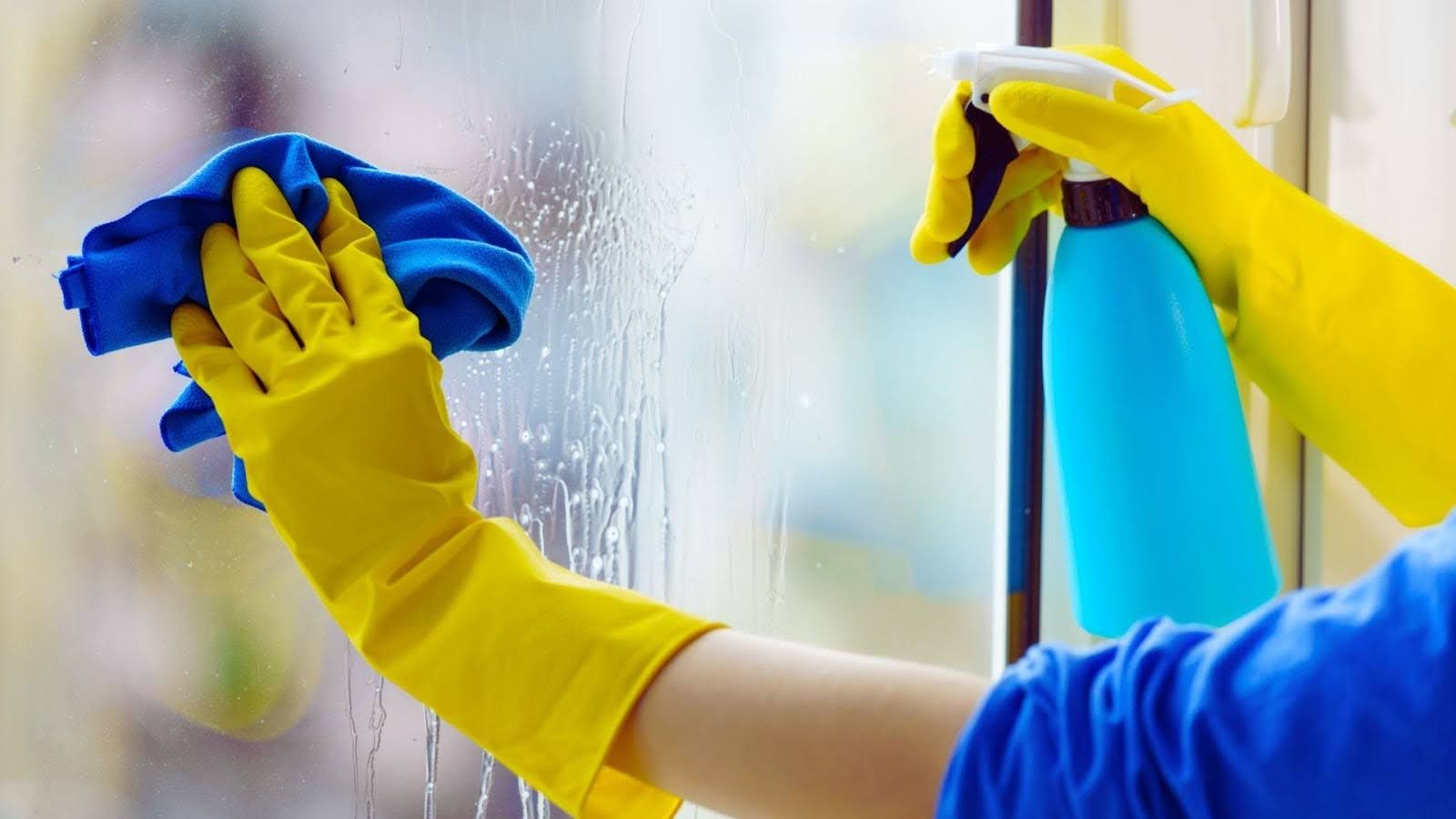
Once a month, tackle these bigger jobs. They keep your appliances running well and your home spotless.
Refrigerator
Check for expired food and toss it. Wipe up spills and sticky spots. Clean shelves and drawers with warm soapy water. A clean fridge prevents odors and keeps food fresher longer.
Oven
Clean your oven monthly if you use it often. Otherwise, every other month works. Remove racks and wash them separately. Wipe down the interior. A clean oven cooks more evenly.
Dishwasher and Washing Machine
Run cleaning cycles on both machines. Use vinegar or special cleaning tablets. This removes buildup and keeps them working efficiently. It also eliminates bad smells.
Windows and Surfaces
Wipe down windows, mirrors, and glass surfaces. Clean baseboards and light fixtures. Dust ceiling fans. These areas collect grime slowly but surely.
5. Every 3 to 6 Months
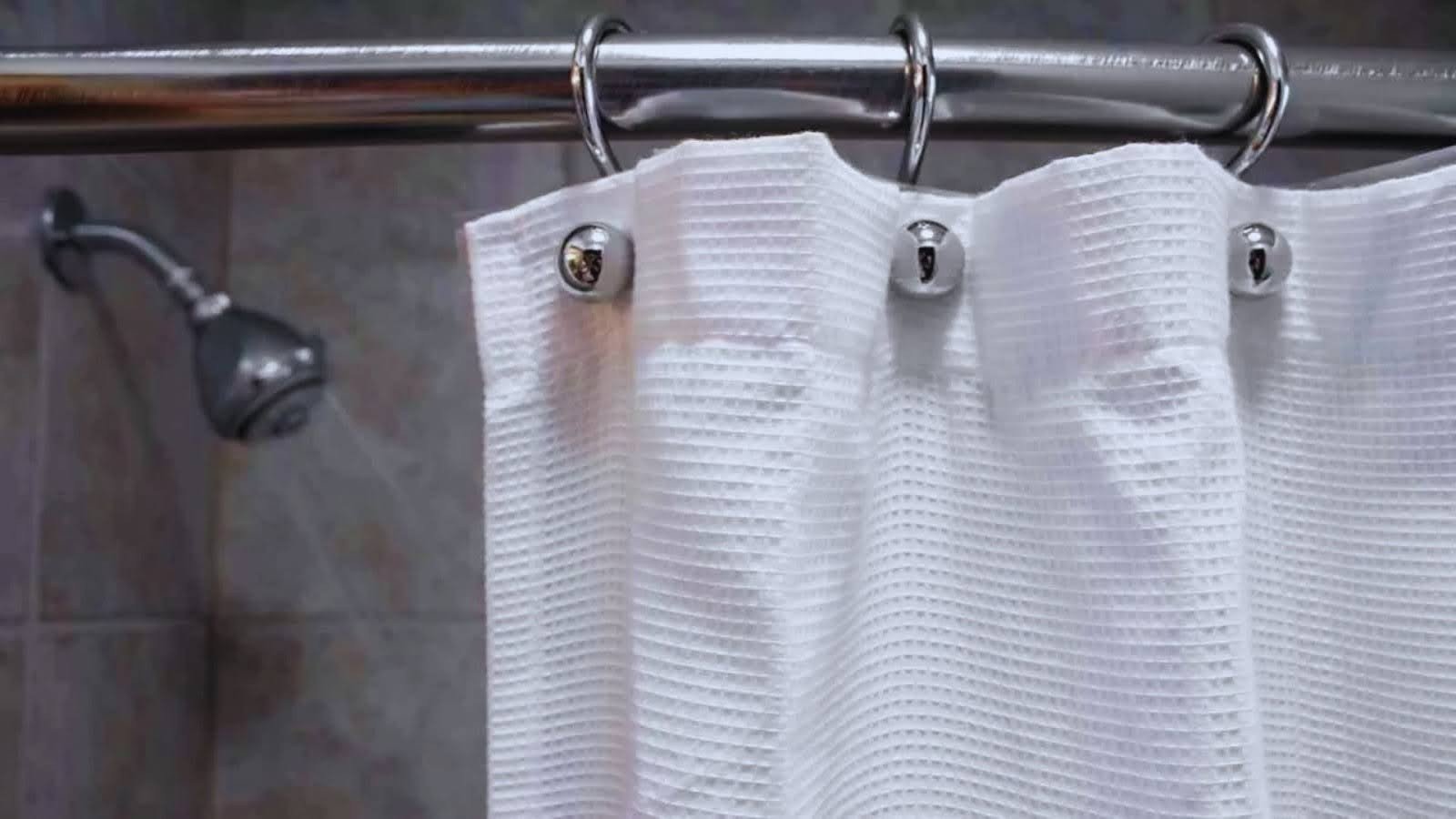
Some tasks only need attention a few times a year. Schedule these for spring and fall cleaning sessions.
Pillows and Upholstery
Wash your pillows and cushion covers. Rotate your pillows to extend their life. Make sure they dry completely before using them. This prevents mold and keeps them fluffy.
Oven and Deep Kitchen Cleaning
Use your oven’s self-cleaning function if it has one. Wash the racks by hand. Clean out your pantry and cabinets. Check for pests and expired items. Wipe down shelves.
Shower Curtains
If you have vinyl or plastic liners, wash them in the machine. Throw in a few towels for extra scrubbing action. This removes soap scum and prevents mildew.
6. Annual Cleaning Tasks
Once a year, do these thorough cleanings. They protect your home and your health.
Carpets and Rugs
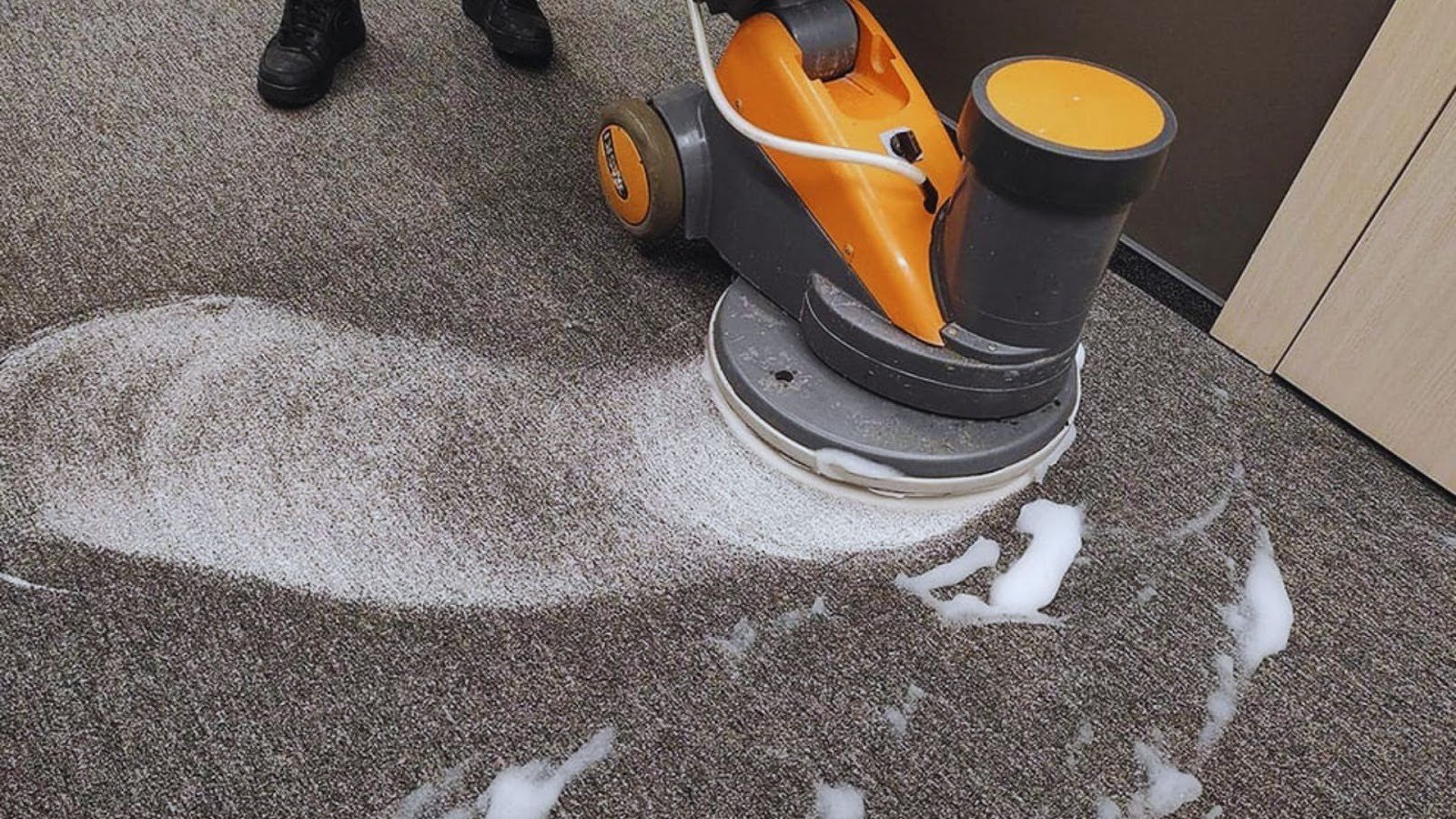
Deep clean all carpets using a steam cleaner or hire professionals. This removes embedded dirt and allergens that vacuuming misses. Your carpets will look and smell brand new.
Windows
Clean all windows inside and out. Pick a cloudy or dry day. Direct sunlight shows streaks. Clean windows let in more light and improve your view.
Dryer and Vents
Remove lint from your dryer vent. This is a serious fire hazard if ignored. Clean around and behind your dryer. Check the exhaust vent outside too. This keeps your dryer working efficiently.
Expert Cleaning Tips for Healthy Living
Smart cleaning habits make your routine easier and more effective. Here are some tips that work.
- Focus on high-touch areas. Light switches, remote controls, and doorknobs spread the most germs. Sanitize these spots first to reduce illness in your home.
- Adjust your cleaning frequency. Homes with pets or children need more frequent cleaning. Hair and fingerprints build up fast. Adjust your schedule based on your household size and needs.
- Use natural cleaning agents. Vinegar disinfects and cuts grease. Baking soda scrubs stains. Lemon juice removes odors. These options are safer for kids and pets, plus they save money.
Conclusion
Finding your answer to how often I should clean my house is not too hard. Start from what works for you, and make changes along the way as necessary.
Consistency is much more productive than perfection I’ve learned. I’ve learned it over time, and doing a little each day is better than saving it all up for a big clean.
Add a new habit to your week then check if it works. What is your hardest cleaning task?
So drop a comment below, and let’s share tips that actually work for real life!
Frequently Asked Questions
How often should I vacuum if I have pets?
Vacuum two to three times per week with pets. Pet hair and dander build up quickly. High-traffic areas may need daily vacuuming to control allergens.
Can I clean my entire house in one day?
Yes, but it’s exhausting. Breaking tasks across the week works better. Daily quick cleans plus one weekly deep session prevents burnout and keeps your home consistently clean.
What cleaning tasks matter most for allergies?
Focus on vacuuming, washing bedding weekly, and dusting surfaces. Change air filters monthly. These tasks remove allergens that trigger sneezing, congestion, and itchy eyes.
How do I know if I’m cleaning enough?
Your home should feel comfortable and smell fresh. If you notice dust buildup, sticky surfaces, or bad odors, clean more often. Trust your senses and adjust accordingly.
Should I clean or declutter first?
Always declutter first. Put away items before you clean. This makes wiping, vacuuming, and mopping faster. You won’t waste time moving the same items around repeatedly.