



Does clothing shrink after being dry cleaned? Many people avoid using professional cleaning services because of this concern. It’s likely that you’ve pondered whether your favorite suit or dress would return smaller.
I’ll explain the difference between dry cleaning and washing. You’ll find why dry cleaning is actually safer for the majority of fabrics and what exactly causes shrinkage.
We’ll go over the science behind shrinking, how dry cleaning works, which fabrics are vulnerable, and how experts avoid damage.
I’ve done my homework and spoken with seasoned cleaners to provide you with honest answers.
I promise you that knowing the procedure will help you choose the best course of action for maintaining your wardrobe.
Understanding Why Clothes Shrink
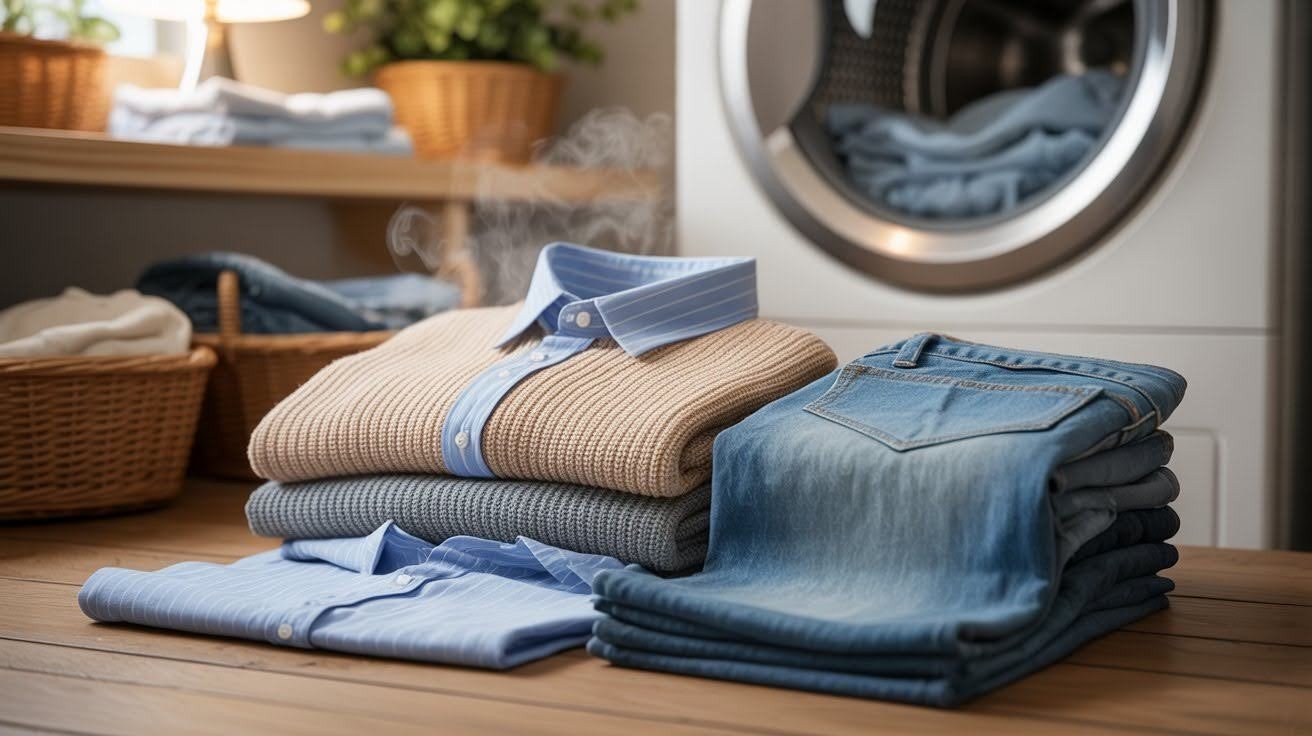
Fabric shrinkage happens when fibers react to heat, moisture, and movement. Natural fibers like cotton, wool, and linen are more vulnerable than synthetic materials.
Heat tightens fabric fibers, making them contract and pull together. When you apply high heat during drying or ironing, the fibers lock into a smaller shape.
Water absorption causes problems too. Fibers swell when wet, then contract as they dry, permanently changing the fabric’s dimensions.
Agitation creates additional stress. The tumbling motion in washing machines damages delicate weaves. Combined with heat and water, agitation accelerates shrinkage.
Cotton and wool are particularly sensitive because their natural fibers have more flexibility to move and contract.
Synthetic fibers stay more stable because they’re engineered to resist dimensional changes.
How Dry Cleaning Works?
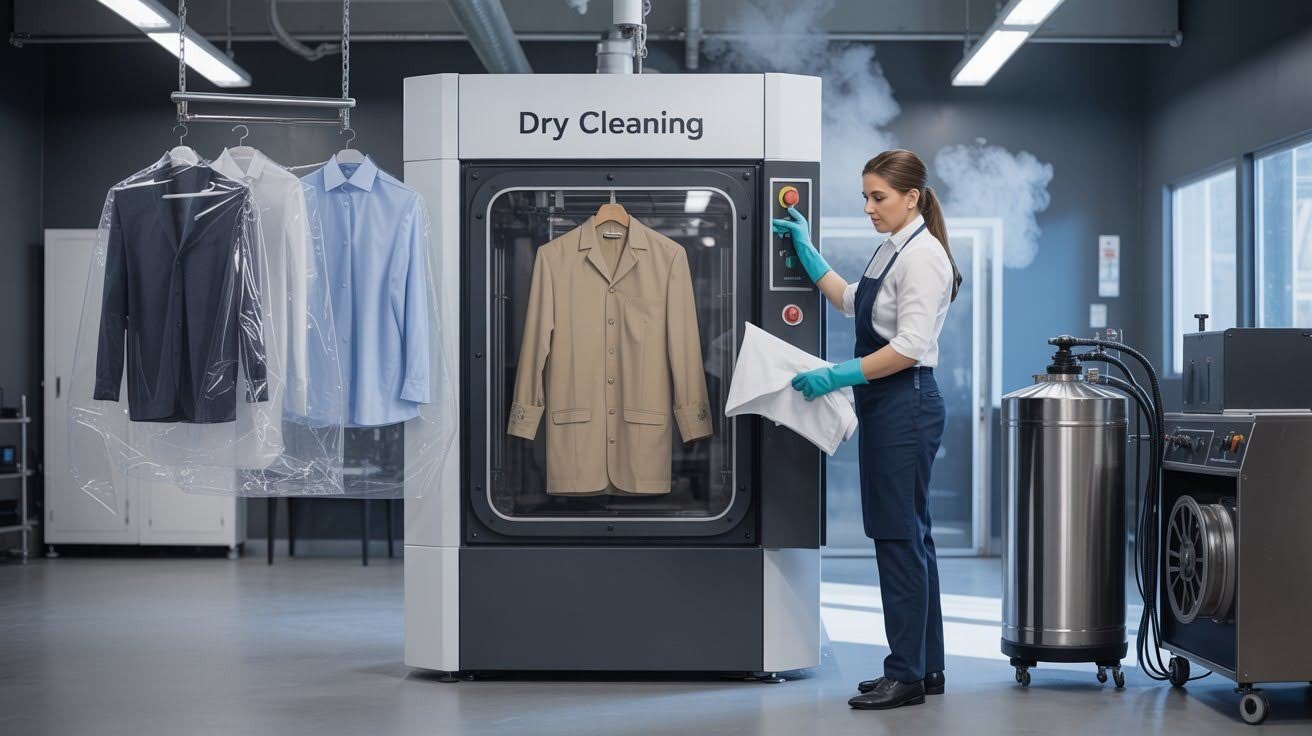
Dry cleaning uses liquid solvents instead of water, which drastically reduces shrinkage risk.
The process starts with pretreating stains, then garments go into a machine filled with cleaning solvent like perchloroethylene or hydrocarbon solutions.
These solvents dissolve oils and dirt without saturating fabric fibers like water does. After cleaning, the machine spins to remove excess solvent, then uses controlled heat at much lower temperatures than home dryers.
Special equipment maintains precise conditions with chillers controlling solvent temperature and water separators removing moisture.
This careful management protects your clothes from the heat and water that cause shrinkage.
Can Dry Cleaning Shrink Clothes?

Under normal conditions, no. Properly maintained equipment and professional handling prevent shrinkage in most cases.
Dry cleaning is safer for delicate fabrics than home washing. Silk, wool, and rayon handle the solvent-based process better than water immersion. Controlled temperatures and gentle agitation protect fabric integrity.
Shrinkage can occur in rare situations. Machine malfunctions, contaminated solvents, or poorly maintained equipment cause problems.
Some garment manufacturing defects like unstable dyes may appear after cleaning. Using the wrong cleaning method for specific fabrics causes damage too.
Reputable dry cleaners inspect garments carefully and maintain equipment properly. Shrinkage from professional dry cleaning is extremely uncommon.
Fabrics Most and Least Likely to Shrink
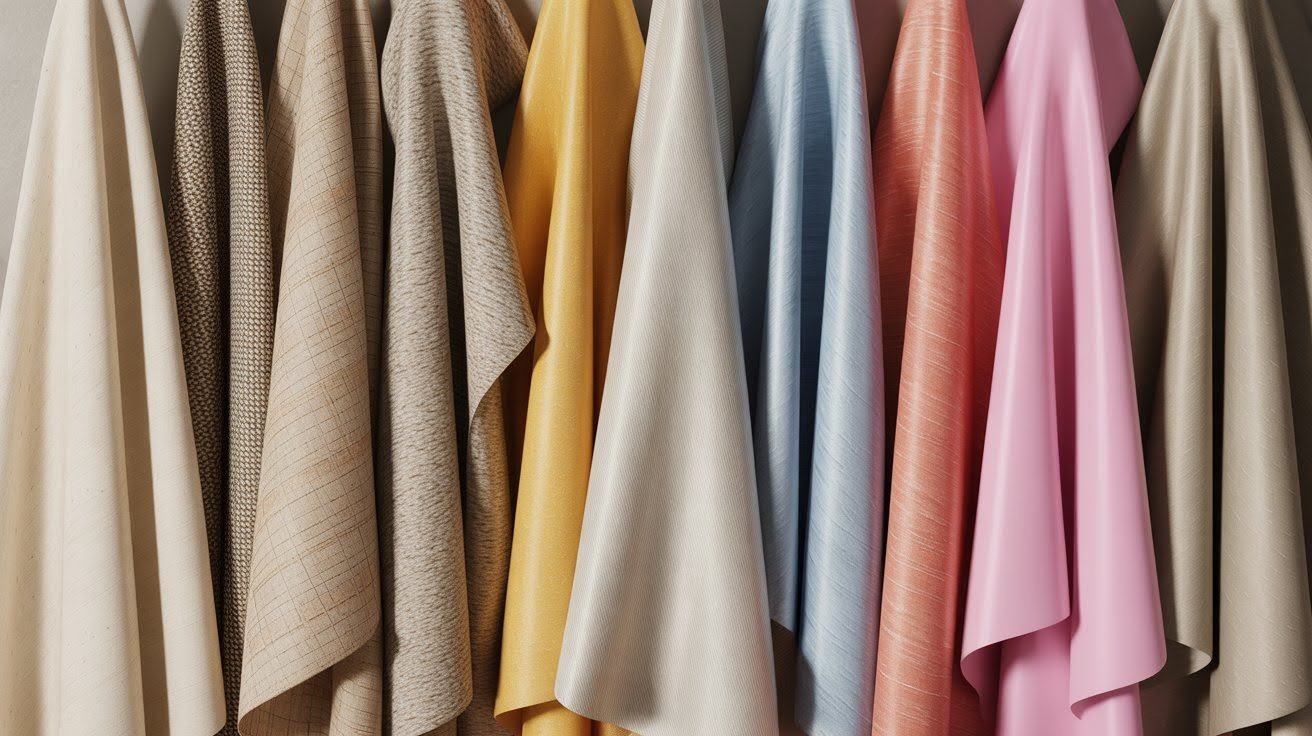
Understanding which fabrics shrink helps you make informed decisions about garment care and cleaning methods.
Fabrics Prone to Shrinkage
Cotton, wool, linen, viscose, and rayon are most likely to shrink. These natural and semi-synthetic fibers contract when exposed to moisture and heat.
Cotton absorbs water readily, swelling when wet and locking into a smaller shape as it dries.
Wool is particularly sensitive as its scales interlock when agitated, causing permanent felting.
Linen behaves similarly to cotton, while viscose and rayon retain moisture-sensitive properties despite chemical processing.
Fabrics Resistant to Shrinking
Polyester, nylon, acrylic, and spandex rarely shrink. These synthetic fibers are engineered for durability and dimensional stability.
They don’t absorb much water and resist heat-related contraction. Synthetic blends combine the best properties of both fiber types, shrinking less than pure natural fibers while maintaining comfort.
How Professional Dry Cleaners Prevent Shrinkage

Professional cleaners examine your garment carefully, identifying fabric composition and checking care labels to choose the correct cleaning method.
They spot potential problems like unstable dyes or weak seams before processing.
During cleaning, professional machines maintain precise solvent temperatures and use minimal tumbling action.
Cleaners monitor solvent balance and calibrate cycle times for each fabric type to prevent damage.
After cleaning, professionals use specialized pressing techniques with appropriate temperatures for different fabrics.
Hand finishing restores the original shape and fit, preventing distortion that looks like shrinkage.
What You Can Do to Avoid Shrinking Issues
Taking simple precautions protects your clothes from shrinkage and extends their life significantly.
Always read and follow care labels. If a label says “dry clean only,” don’t risk washing it at home. Understanding symbols helps you make smart decisions about the safest cleaning method.
Choose certified cleaners who understand fabric science. Check reviews and ask about their process.
Good cleaners explain how they handle different fabrics and prevent damage.
Communicate concerns before leaving your garments. Point out delicate areas, past shrinkage issues, or problem spots. The more information your cleaner has, the better care they can provide.
Sustainable Garment Care and Longevity

Choosing quality fabrics and proper maintenance reduces waste significantly. Well-made clothes last decades when cared for correctly, while improper care ruins them in months.
Think of professional cleaning as an investment that protects your wardrobe. Replacing damaged clothes costs far more than proper care.
Sustainable fashion means wearing what you own longer instead of constantly buying and discarding.
Repair and maintain instead of replacing. Extending garment life reduces the resources needed to produce, transport, and dispose of clothing.
Each year you wear a garment instead of replacing it makes a difference.
Conclusion
My clothes always look fantastic after years of using a professional dry cleaner. Does clothing shrink after being dry cleaned? Almost never, when done correctly.
Your clothes are much more protected by professional cleaners’ safe, fabric-specific techniques than by washing them at home.
The worry is eliminated when one understands how the procedure operates. Your favorite wool coat, silk blouse, or suit is in good hands.
Communicate your concerns, pick a trustworthy cleaner, and adhere to care instructions.
In addition to saving the environment, proper clothing care preserves your wardrobe.
Are you prepared to provide the proper care for your clothing? Locate a reliable dry cleaner in your area right now.
Frequently Asked Questions
Can dry cleaning shrink wool sweaters?
Properly done dry cleaning won’t shrink wool. The solvent-based process avoids water and agitation that cause wool fibers to feel and contract.
What should I do if my clothes shrink at the dry cleaner?
Contact the cleaner immediately and bring the garment back. Reputable cleaners have insurance and will compensate you or attempt restoration.
Is dry cleaning safer than washing for delicate fabrics?
Yes, dry cleaning is much safer for silk, wool, and rayon. The solvent process protects fabric integrity better than home washing.
How often should I dry clean my clothes?
Clean garments when visibly dirty or after 3 to 5 wears for suits. Spot clean minor stains between professional cleanings.
Can I prevent shrinkage by air drying after dry cleaning?
Your clothes are already dry when they return. Proper dry cleaning shouldn’t leave enough moisture to cause shrinkage problems.