


You just learned unsealed wood floors warmly texturize your home, but maintaining them needs special care and I know it can labor. Keep reading if you’ve wondered how to clean unsealed wood floors.
This will let you learn how to clean floors safely, whether it’s a daily cleaning routine, floor care maintenance, or something in between.
I will cover the right products to use, what not to do, what actually works, tips, and I can help because I have dealt with wood floors for years. Daily dust, stubborn stains, I can help you with those.
Let’s protect your floors together so they look beautiful for years and years.
Understanding Unsealed Wood Floors
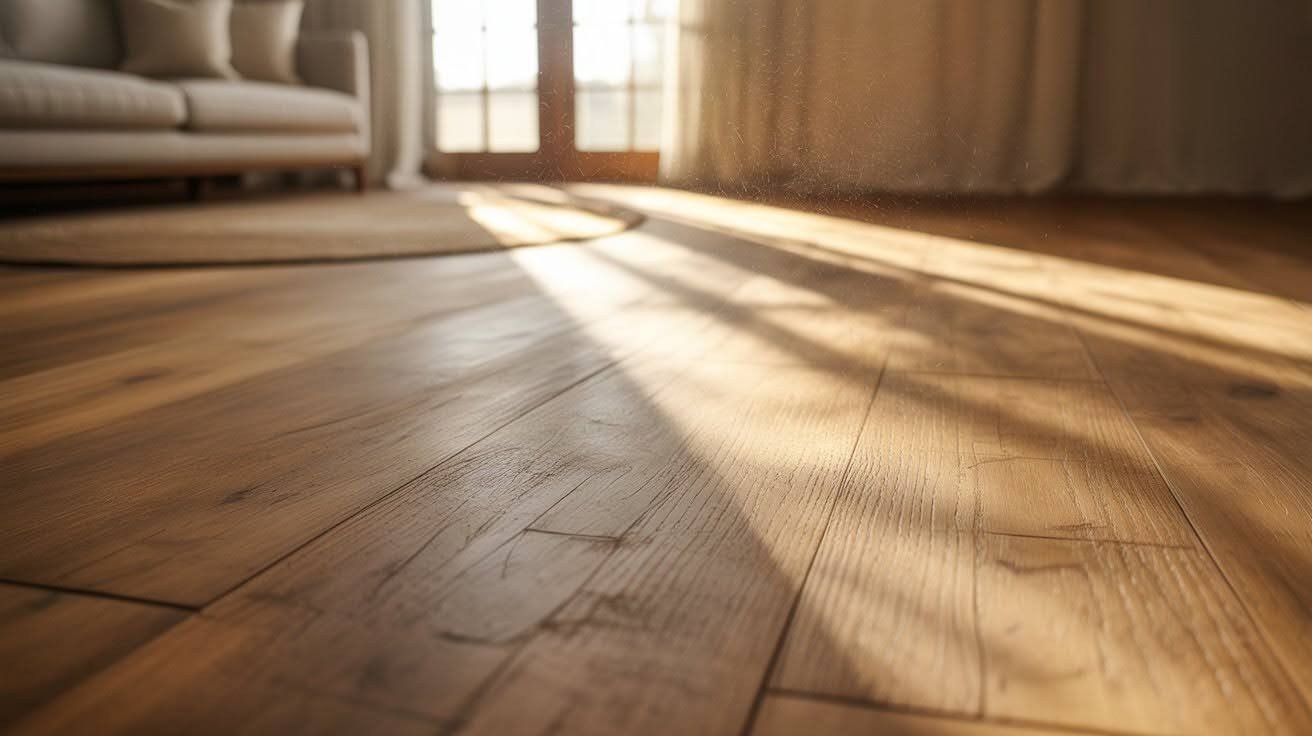
Unsealed wood floors have no protective coating on top. They’re raw wood with nothing shielding them from the outside world.
You can feel the natural grain when you touch them. The wood absorbs moisture easily and shows marks quickly.
Finished floors have polyurethane or varnish on top. Pre-finished floors come sealed from the factory. Unsealed means the wood breathes and reacts to everything around it.
Water is the biggest enemy of unsealed wood. The fibers soak up liquids like a sponge.
Too much moisture causes warping, staining, and permanent damage. Scratches show up easily because there’s no protective layer.
Harsh chemicals seep into the wood grain. They discolor the natural beauty you want to preserve.
You need gentle methods that clean without penetrating too deep.
Daily Cleaning Tips for Unsealed Wood Floors
Keep your floors clean with simple daily habits that protect the wood.
1. Dry Dusting
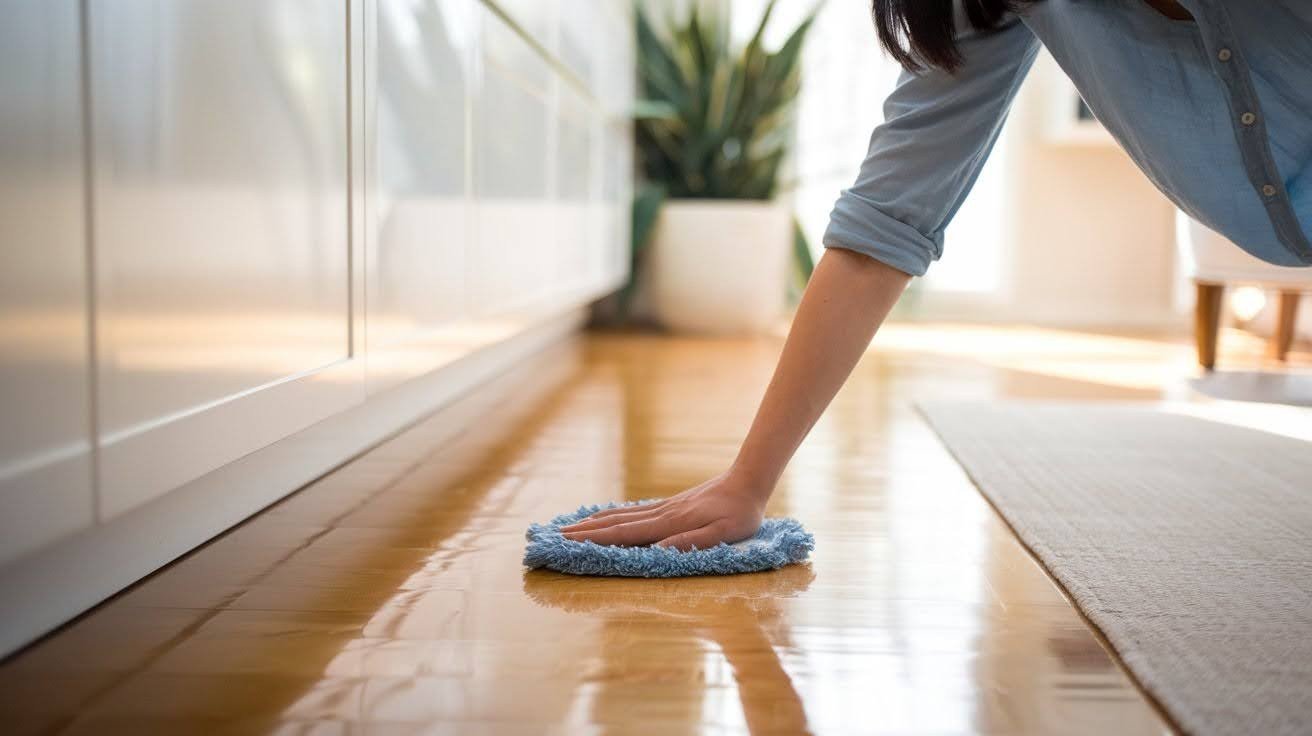
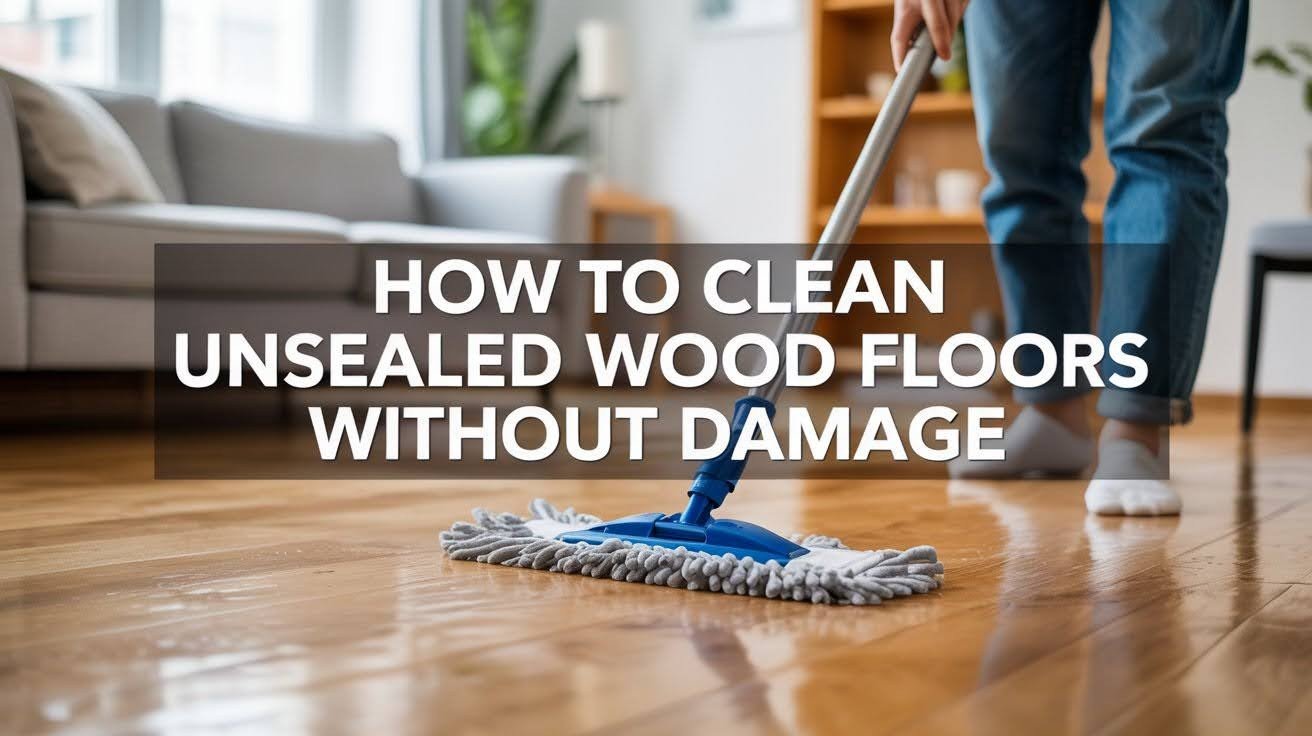
Start with a microfiber mop for daily dust removal. The soft fibers grab dirt without scratching.
A soft-bristle broom works well too. Sweep in the direction of the wood grain.
For vacuuming, turn off the beater bar completely. Those rotating brushes damage unsealed surfaces.
Use the floor attachment that came with your vacuum. It glides smoothly and protects the wood.
Clean high-traffic areas every day. Less busy spots need attention two or three times weekly.
2. Gentle Damp Mopping
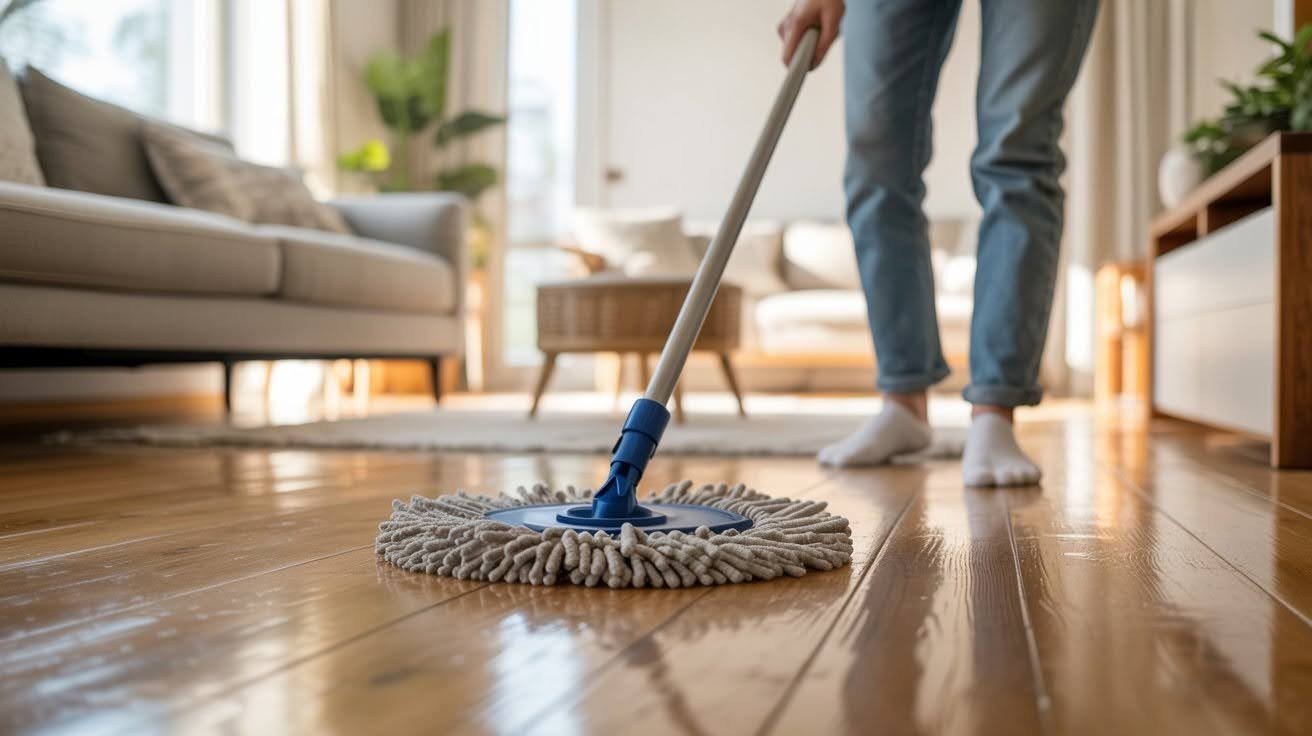
Damp means barely wet, not dripping. Wring your microfiber mop until it’s almost dry.
Add one drop of mild dish soap to warm water. That’s all you need for effective cleaning.
Eco-friendly wood cleaners made for unsealed floors work great. Check the label to make sure they’re safe.
Mop in broad, circular motions. Move gently across the surface.
Never let water pool or sit on the floor. Dry any damp spots immediately with a clean cloth.
3. Immediate Spill Management
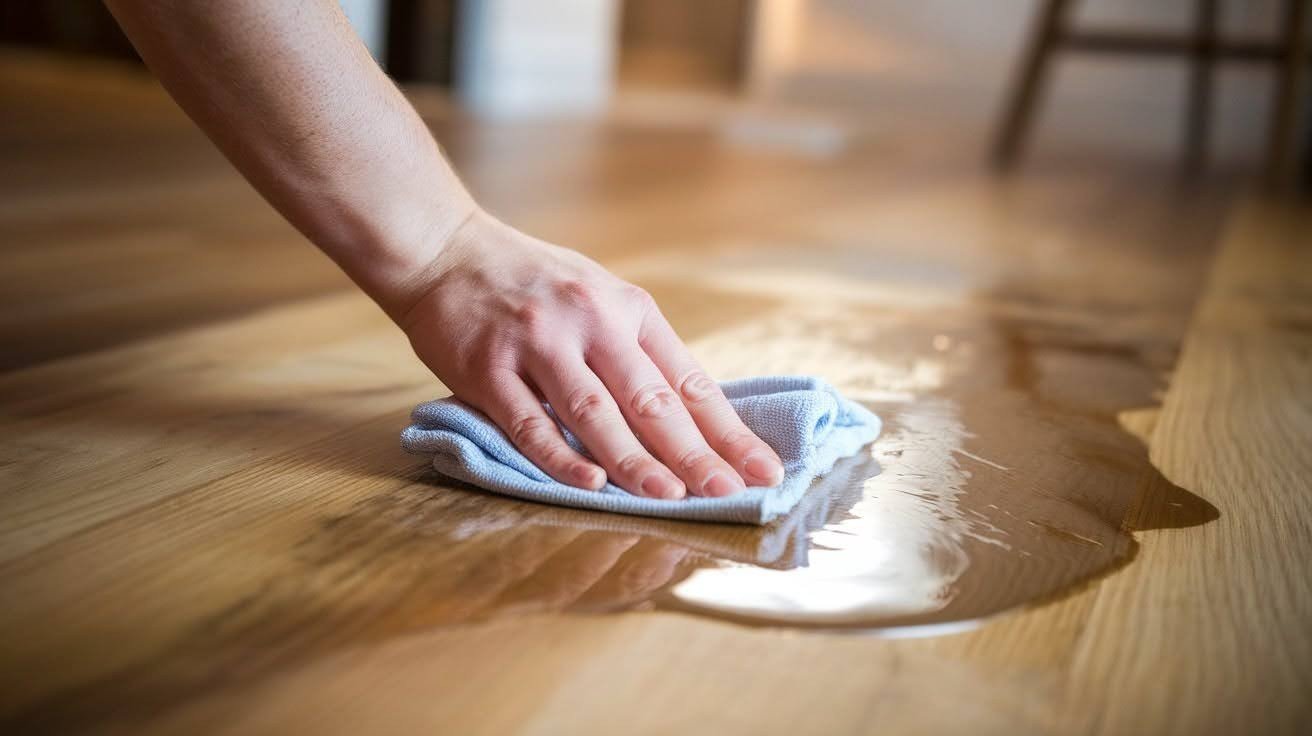
Grab a soft cloth the second something spills. Speed matters with unsealed wood.
Blot the spill from the outside edges moving inward. This stops it from spreading.
Press down firmly but gently. Let the cloth absorb the liquid naturally.
Never rub or scrub at fresh spills. Rubbing pushes moisture deeper into the grain.
For sticky spills, use a barely damp cloth after blotting. Then dry the spot completely.
Periodic Maintenance Tips
Regular maintenance keeps your unsealed floors healthy and beautiful between deep cleanings.
- Natural oils like jojoba, linseed, or coconut feed the wood and bring out its character. Start with a clean, dry floor and rub oil into the wood following the grain direction.
- Work in small sections about three feet square. Let the oil sit for 15 minutes, then buff away excess with a clean, dry cloth for a subtle, natural shine.
- Wax creates a protective barrier on clean wood. Choose paste wax made specifically for unsealed floors and apply thin, even coats with a clean cloth in circular motions.
- Let each wax coat dry for about 30 minutes according to package directions. Buff the surface with a soft cloth or buffing pad, and reapply wax every few months depending on foot traffic.
- For stubborn stains that won’t budge with normal cleaning, light sanding can help. Use fine-grit sandpaper, 220-grit or higher, and sand gently in the direction of the grain only.
- Work just the stained area, not the entire floor. Keep your touch light and never sand across the grain as this damages the wood.
- Wipe away dust with a barely damp cloth after sanding. Let it dry completely, then apply oil or wax to the sanded spot to match the rest of the floor.
Preventive Measures to Avoid Damage
Stop problems before they start with smart prevention strategies around your home.
Furniture and Footwear Protection
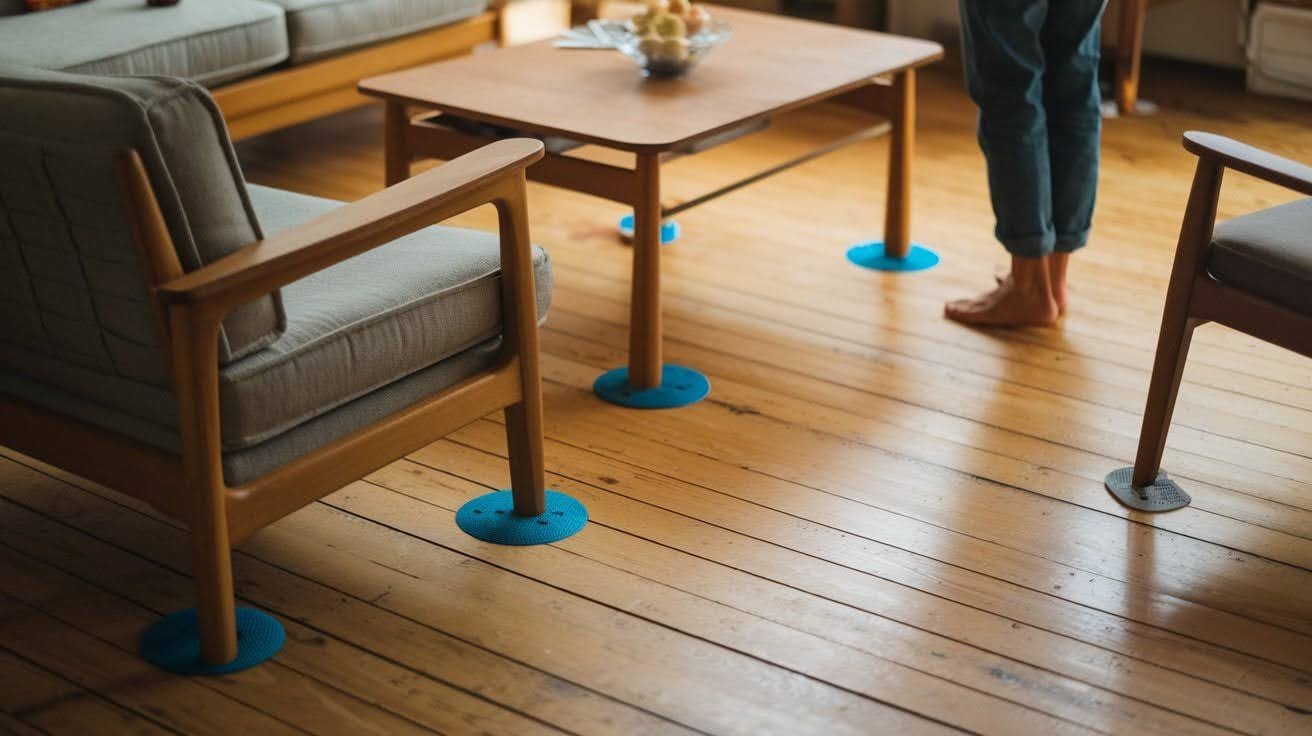
Stick felt pads under all furniture legs. They prevent scratches when you move chairs and tables.
Replace worn pads every few months. They lose effectiveness over time.
Ask family and guests to remove shoes at the door. Outdoor shoes track in dirt, rocks, and moisture.
Keep a shoe rack or basket near entrances. Make it easy for everyone.
Heavy furniture needs wider pads. Small pads concentrate weight and dent the wood.
Rugs and Doormats
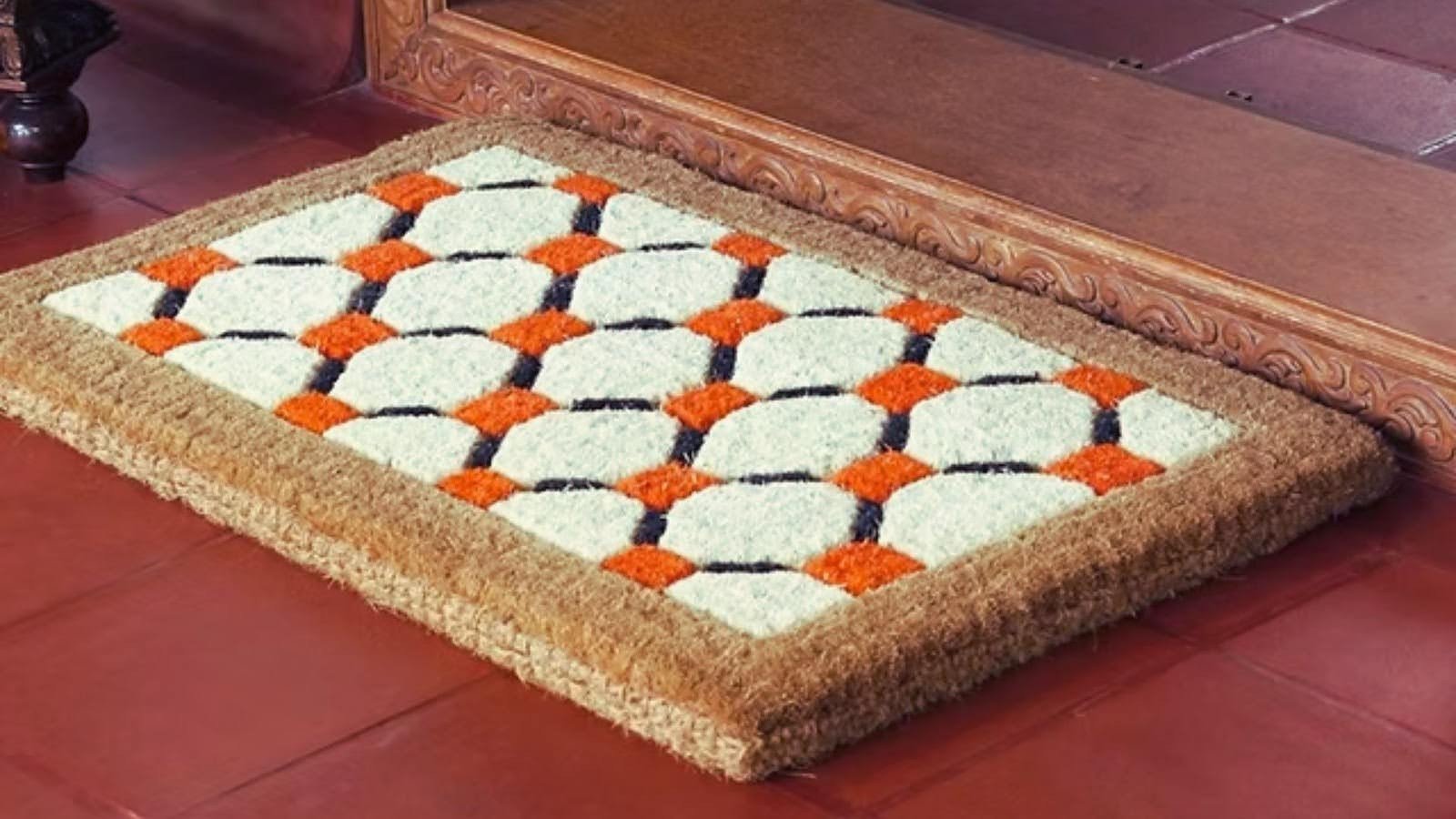
Place doormats outside and inside every entrance. They catch dirt before it reaches your floors.
Use area rugs in high-traffic zones like hallways and living areas. They take the beating instead of your wood.
Choose rugs with non-slip backing that’s safe for unsealed floors. Some rubber backings discolor wood.
Vacuum rugs weekly to remove trapped dirt. Shake out smaller ones outside.
Rotate rugs every few months. This prevents uneven fading and wear patterns.
Controlling Humidity
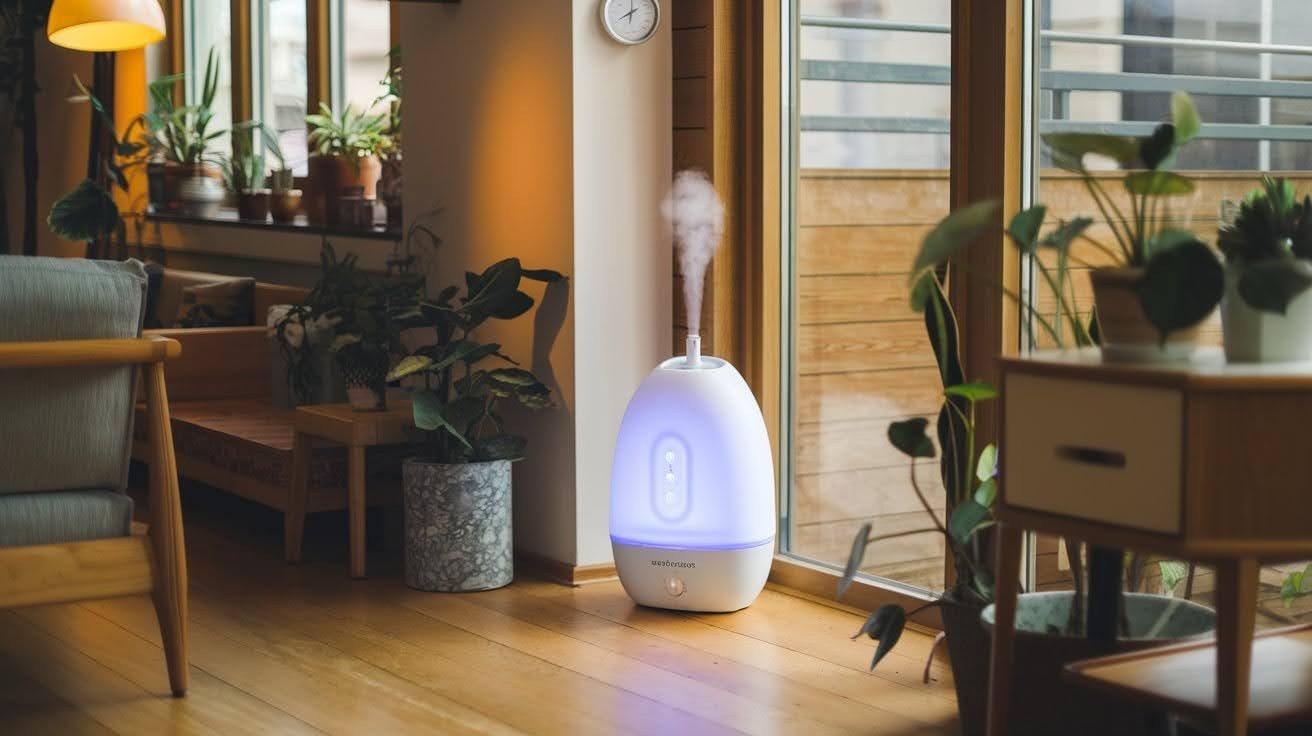
Wood expands in humidity and shrinks in dry air. Both extremes cause problems.
Keep indoor humidity between 35 and 55 percent. This range protects unsealed wood.
Use a dehumidifier in damp months. Run a humidifier during dry winter periods.
Monitor levels with an inexpensive humidity gauge. Place it in the room with wood floors.
Proper humidity prevents gaps between boards. It stops warping and cupping too.
Pet Care
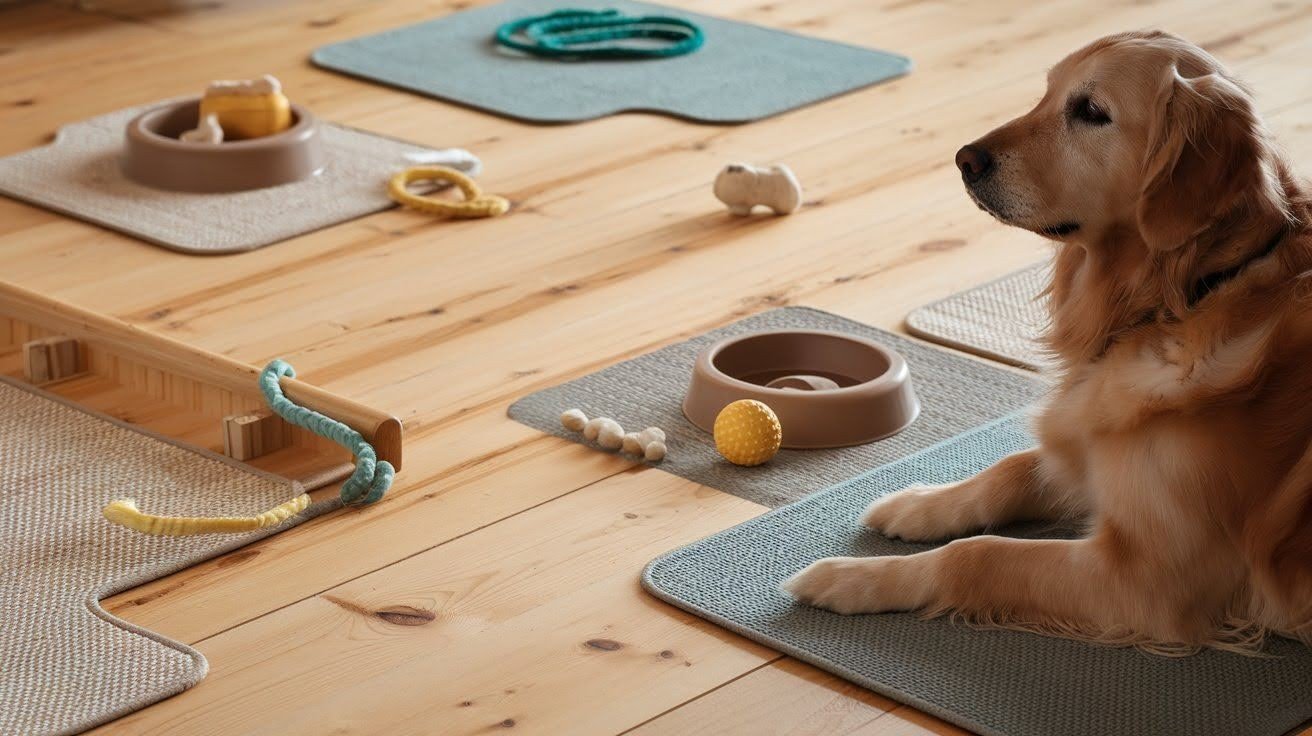
Trim your pet’s nails every two to three weeks. Long nails scratch unsealed wood easily.
If you hear clicking when your pet walks, the nails are too long. Time for a trim.
Place washable rugs where your pet eats and drinks. Catch spills before they reach the floor.
Watch where your pet plays roughest. Add extra protection in those spots.
Clean up accidents immediately. Pet urine damages unsealed wood permanently if left too long.
Conclusion
Cleaning unsealed wood floors seems quite daunting, but with all of these tips you can get shiny floors without finish damage.
Sweeping each day beats scrubbing in each month. If you pay attention to your floors consistently, they will be infinitely happier.
If you’ve got questions or tips that have worked for you, then please leave it.
Be sure to leave a comment below for us. I would really love to hear of it. And let’s help each other keep these surfaces timeless!
Frequently Asked Questions
Can I use vinegar to clean unsealed wood floors?
No, skip the vinegar completely. The acid penetrates unsealed wood and breaks down the fibers, causing permanent damage.
How often should I oil my unsealed wood floors?
Oil your floors every two to three months. High-traffic areas might need monthly attention.
What’s the best way to remove water stains from unsealed wood?
Gently rub the stain with fine steel wool and mineral oil. For deep stains, try light sanding followed by oil.
Can I use a steam mop on unsealed wood floors?
Never use steam mops on unsealed floors. The heat and moisture cause warping and irreversible damage.
How do I know if my wood floors are unsealed?
Drop a small water bead on an inconspicuous spot. If it soaks in within minutes, your floors are unsealed.