


What is the pH of the drain cleaner? You might be surprised to learn how important this question is.
The acidity or alkalinity of a cleaner is determined by its pH level, which impacts its effectiveness and safety.
I’ll go over all the information you require regarding the pH levels of drain cleaners. You’ll discover which cleaners protect your plumbing and which ones are effective for various clogs.
I’ll go over the fundamentals of the pH scale, different kinds of drain cleaners and their pH ranges, safety precautions, and how to pick the best product for your pipes.
To help you make informed decisions, I have studied chemistry and real-world applications.
Knowing pH makes it easier to clean drains efficiently without causing damage to your house.
Understanding pH and Its Role in Cleaning
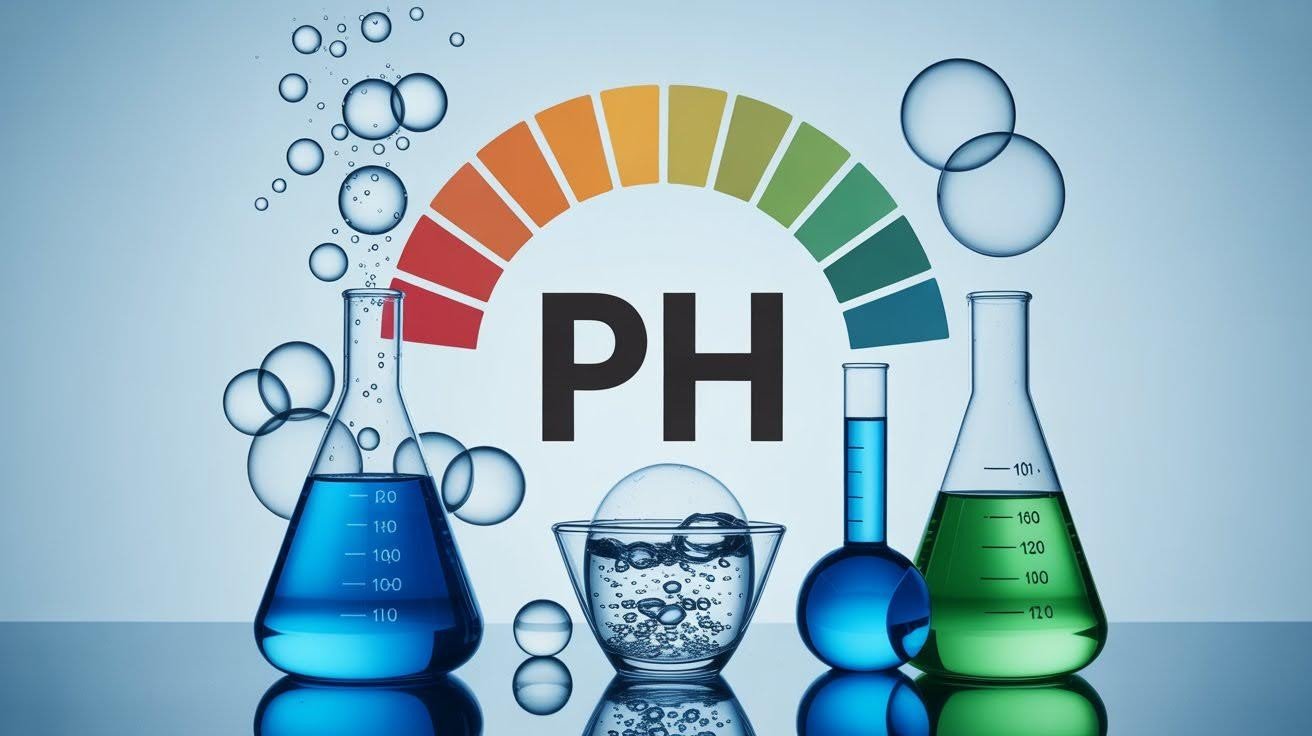
pH stands for potential of hydrogen and measures how acidic or alkaline a substance is on a scale from 0 to 14. Numbers below 7 are acidic, 7 is neutral, and numbers above 7 are alkaline.
Lower numbers mean stronger acids, while higher numbers mean stronger bases. Chemical reactivity increases at both ends of the scale, making extreme pH substances powerful cleaners.
pH influences both cleaning performance and pipe safety. Highly acidic cleaners attack mineral deposits and soap scum, while highly alkaline cleaners break down grease and organic matter. However, extreme pH levels can damage pipes.
Acids corrode metal, and strong bases can soften plastic pipes and deteriorate rubber seals. Choosing the right pH based on clog type and pipe material protects your plumbing.
Types of Drain Cleaners and Their pH Levels

Different drain cleaners use specific pH ranges to tackle various clogs, each with distinct strengths and safety considerations.
Acidic Drain Cleaners (Low pH: 0 to 1)
These powerful cleaners contain sulfuric acid or hydrochloric acid with pH between 0 and 1. They dissolve hair, soap scum, and grease through chemical reactions that break molecular bonds.
They’re most effective for severe blockages in metal pipes but are highly corrosive and require professional use only.
Alkaline (Basic) Drain Cleaners (High pH: 12 to 14)
Alkaline cleaners contain sodium hydroxide or potassium hydroxide with pH ranging from 12 to 14. They break down fats through saponification, converting oils into soap.
They work best for grease and food-based clogs in kitchen drains but can harm plastic pipes with overuse.
Enzymatic Drain Cleaners (Neutral to Mild pH: 6 to 8)
Enzymatic cleaners use natural enzymes and bacteria with pH between 6 and 8. They biologically digest organic buildup over time and are ideal for maintenance cleaning.
They’re safe for all plumbing types, septic systems, and the environment with no health risks.
Comparing pH Levels: Acidic vs. Alkaline vs. Enzymatic
Understanding the differences between cleaner types helps you choose the safest and most effective option for your situation.
| Factor | Acidic (pH 0-1) | Alkaline (pH 12-14) | Enzymatic (pH 6-8) |
| Effectiveness | Fastest but harshest | Strong yet moderately safe | Gentlest, best for prevention |
| Metal Pipes | May corrode | Generally safe | Safe |
| PVC/Plastic Pipes | Can damage | May harm with overuse | Safe |
| Rubber Seals | Deteriorates | Can deteriorate | Safe |
| Septic Systems | Harmful | Can disrupt balance | Safe and beneficial |
| Speed | Minutes | 15-30 minutes | Hours to days |
| Environmental Impact | High | Moderate | Low |
| User Safety | Requires protection | Requires protection | Minimal concerns |
Choosing the Right Drain Cleaner Based on pH
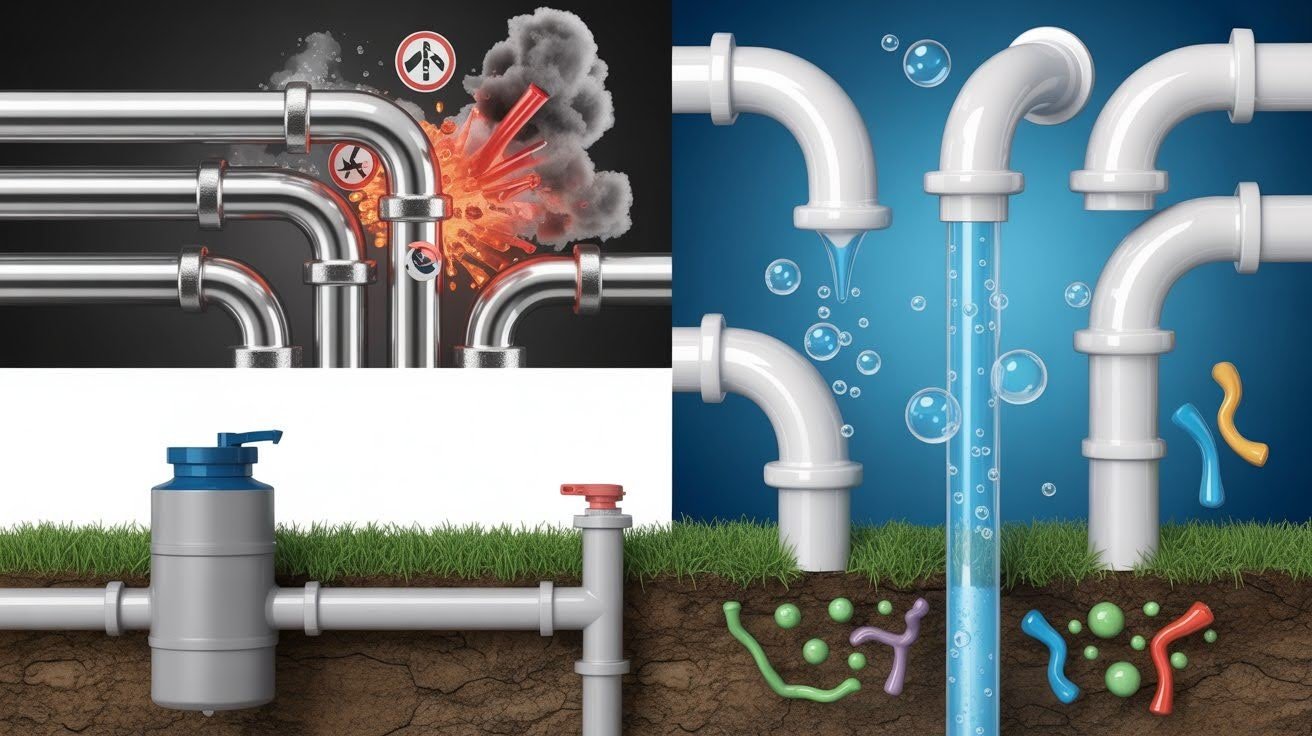
Matching the drain cleaner pH to your plumbing type prevents damage and ensures effective clog removal.
For Metal Pipes
Prefer mild alkaline or enzymatic formulas for regular maintenance. Avoid high-acid products unless a professional handles them, as sulfuric and hydrochloric acids attack metal pipes, especially older copper or cast iron systems.
Galvanized pipes corrode more easily than modern materials.
For PVC or Plastic Pipes
Stick with enzymatic or low-strength alkaline options. Plastic pipes can soften or warp when exposed to harsh chemicals.
Avoid high-pH caustic cleaners for frequent use, as repeated exposure weakens plastic. Check product labels for compatibility.
For Septic Systems
Use enzymatic or biodegradable drain cleaners exclusively. Harsh chemicals kill beneficial bacteria that septic systems need to function, leading to system failure and expensive repairs.
Enzymatic cleaners support septic health by adding beneficial organisms.
Safer Alternatives to Harsh Chemicals

Baking Soda and Vinegar
Pour half a cup of baking soda down the drain, followed by half a cup of vinegar. The fizzing action loosens light clogs. Wait 30 minutes, then flush with hot water.
Boiling Water
Carefully pour a kettle of boiling water directly into the drain. The heat melts fatty deposits, allowing them to wash away. Repeat weekly for prevention.
Drain Snakes and Plungers
Drain snakes provide physical removal of clogs by reaching into pipes to pull out hair and debris. Plungers use pressure to dislodge blockages. Keep separate plungers for toilets and sinks.
Biodegradable Enzyme-Based Cleaners
Products like BioClean use natural bacteria to digest organic matter. They work slowly but safely for regular maintenance without harsh chemicals.
Conclusion
I’ve had my fair share of clogged drains, and knowing the pH of drain cleaners has altered the way I handle the issue.
Although they work quickly, acidic cleaners (pH 0-1) should be used with caution.
Grease is well handled by alkaline solutions (pH 12 to 14). Drains can be safely kept clear with enzymatic cleaners (pH 6-8).
Choose according to the type of clog and your pipes. If in doubt, begin gently and seek professional assistance for difficult blockages. You’ll prevent expensive damage and your plumbing will last longer.
Have inquiries concerning your particular circumstance? Leave a comment below or forward this guide to someone who is experiencing drain issues.
Frequently Asked Questions
What pH level is safest for home drain cleaners?
Enzymatic cleaners with pH 6 to 8 are safest for regular home use. They’re effective for maintenance and safe for all pipe types.
Can I use acidic drain cleaners on PVC pipes?
Avoid highly acidic cleaners (pH 0 to 1) on PVC pipes. The acid can soften or damage plastic over time.
Why do alkaline drain cleaners work well on grease?
Alkaline cleaners break down fats through saponification, converting grease into soap that dissolves fatty clogs.
Is it safe to mix different pH drain cleaners?
Never mix acidic and alkaline cleaners. The reaction creates extreme heat and toxic gases that can cause explosions or burns.
How often should I use enzymatic drain cleaners?
Use enzymatic cleaners weekly or monthly for maintenance. Regular application prevents clogs by continuously digesting organic buildup.