



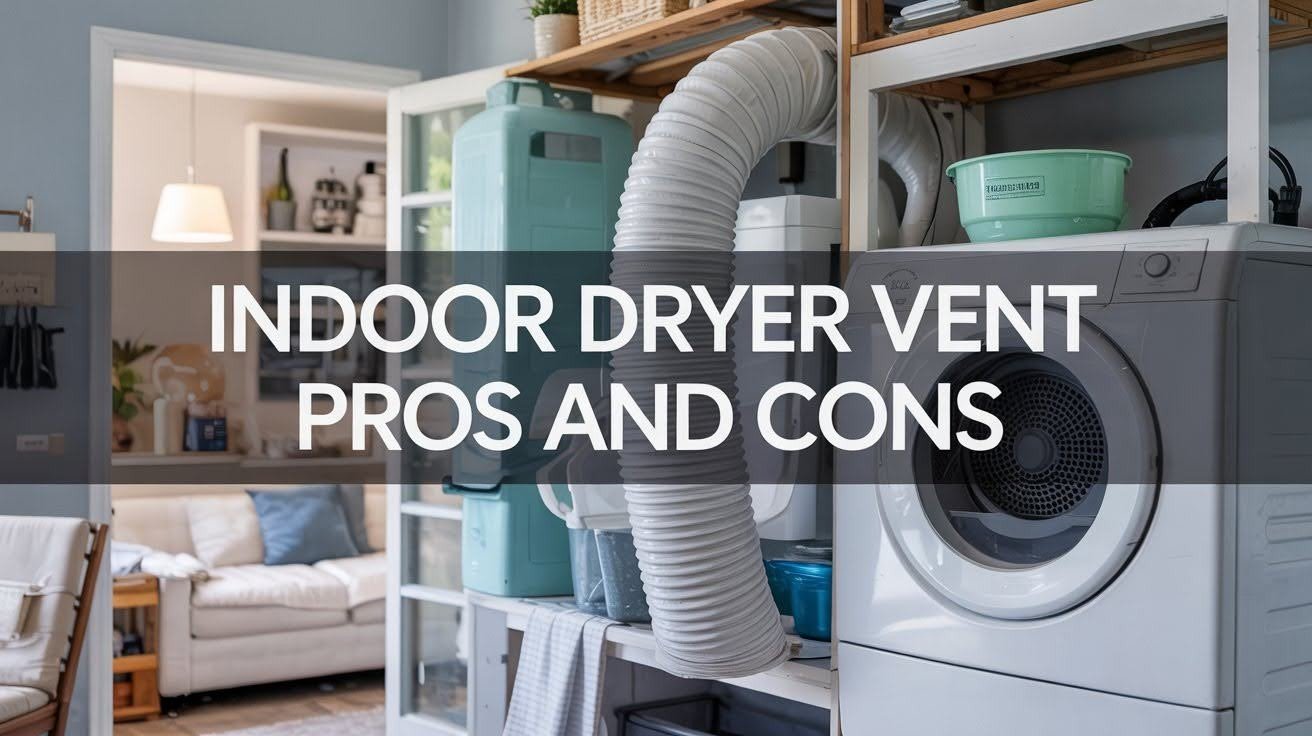
When you are unable to vent outdoors, an indoor dryer vent can help with your laundry issues. This is a common problem in homes, apartments, and condos with laundry rooms inside.
I’ll go over all the information you require regarding dryer vents indoors. You’ll find how they operate, the advantages they provide, and the dangers to be aware of.
My objective is straightforward: provide you with accurate, useful information so you can determine whether an indoor dryer vent is right for you.
I spoke with homeowners who use them on a daily basis and did some research on the subject.
We will discuss how indoor vents work, their benefits and drawbacks, safety precautions, and how they stack up against outdoor systems.
What Is an Indoor Dryer Vent?
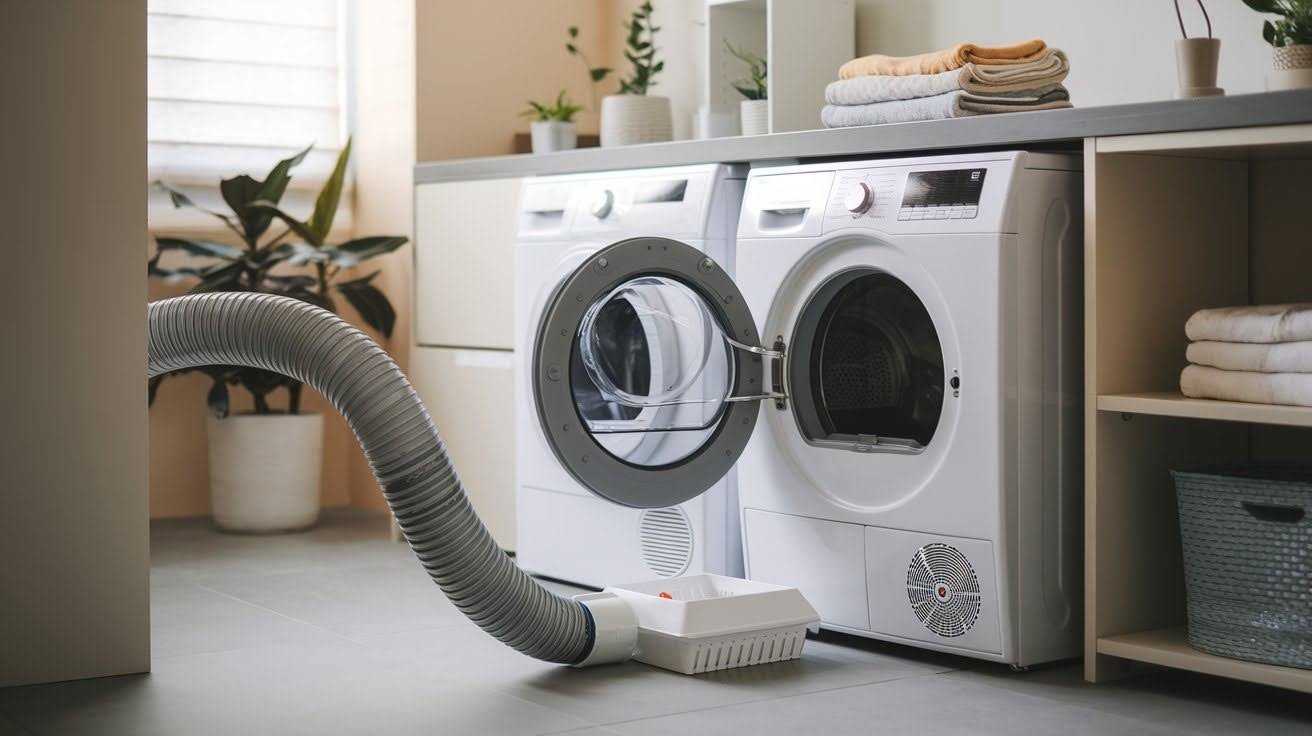
An indoor dryer vent redirects warm, moist air from your dryer into your living space instead of outside.
Here’s how it works. The vent attaches to your dryer with a flexible hose. This hose connects to a special filter box that catches lint. Some models include a water reservoir to trap moisture.
The system is straightforward. Air exits your dryer, passes through the lint filter, and releases into your room.
Important safety note: Only use indoor vents with electric dryers. Gas dryers produce carbon monoxide, a deadly gas. Never vent a gas dryer indoors under any circumstances.
The basic components include a vent hose, a lint trap box, and often a water container. You’ll need to empty the water and clean the filter regularly.
The Pros of Indoor Dryer Vents
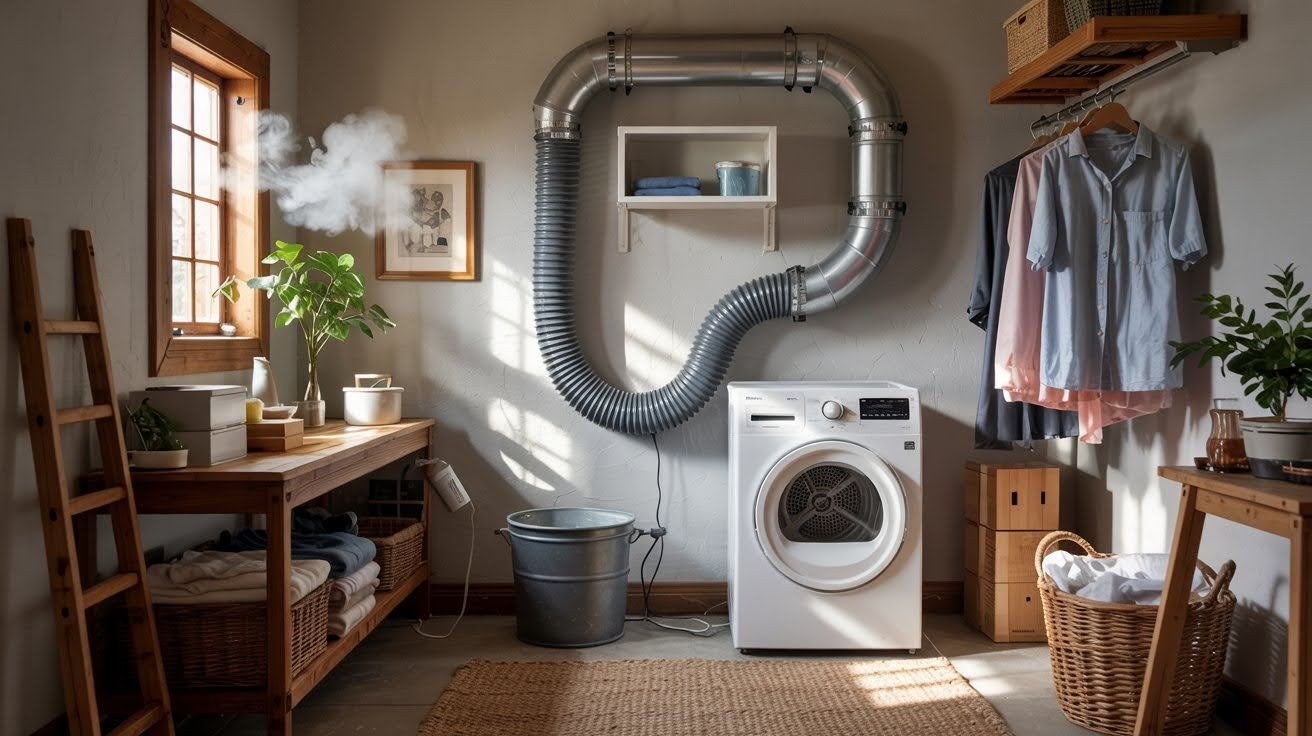
Indoor dryer vents offer practical benefits for specific living situations and can save you money on installation.
1. Easy Installation
You don’t need to drill through walls or hire contractors. Most people can set up an indoor vent in under an hour with no special tools.
Professional outdoor vent installation costs $200 to $500. An indoor kit costs $20 to $50, and you install it yourself.
2. Cost-Effective Alternative
The upfront cost is much lower than outdoor venting. You skip expenses like cutting walls, installing exterior hoods, and sealing openings.
Maintenance stays simple too. Replace the filter occasionally and keep it clean. For renters, you can take the vent with you when you move.
3. Helpful in Cold Weather
During winter, warm dryer air heats your home instead of escaping outside. This small boost can reduce heating costs in small spaces.
Think of it as recycling heat you’ve already paid for.
4. Ideal for Apartments and Condos
Many buildings don’t allow exterior modifications. Indoor vents solve this problem without violating lease agreements or drilling holes.
Small homes with central laundry rooms also benefit when the area sits far from exterior walls.
5. Added Humidity in Dry Climates
The moisture from your dryer adds helpful humidity in dry regions. This can ease dry skin, reduce static electricity, and make breathing more comfortable.
Just monitor humidity levels. Too much moisture creates different problems.
The Cons of Indoor Dryer Vents
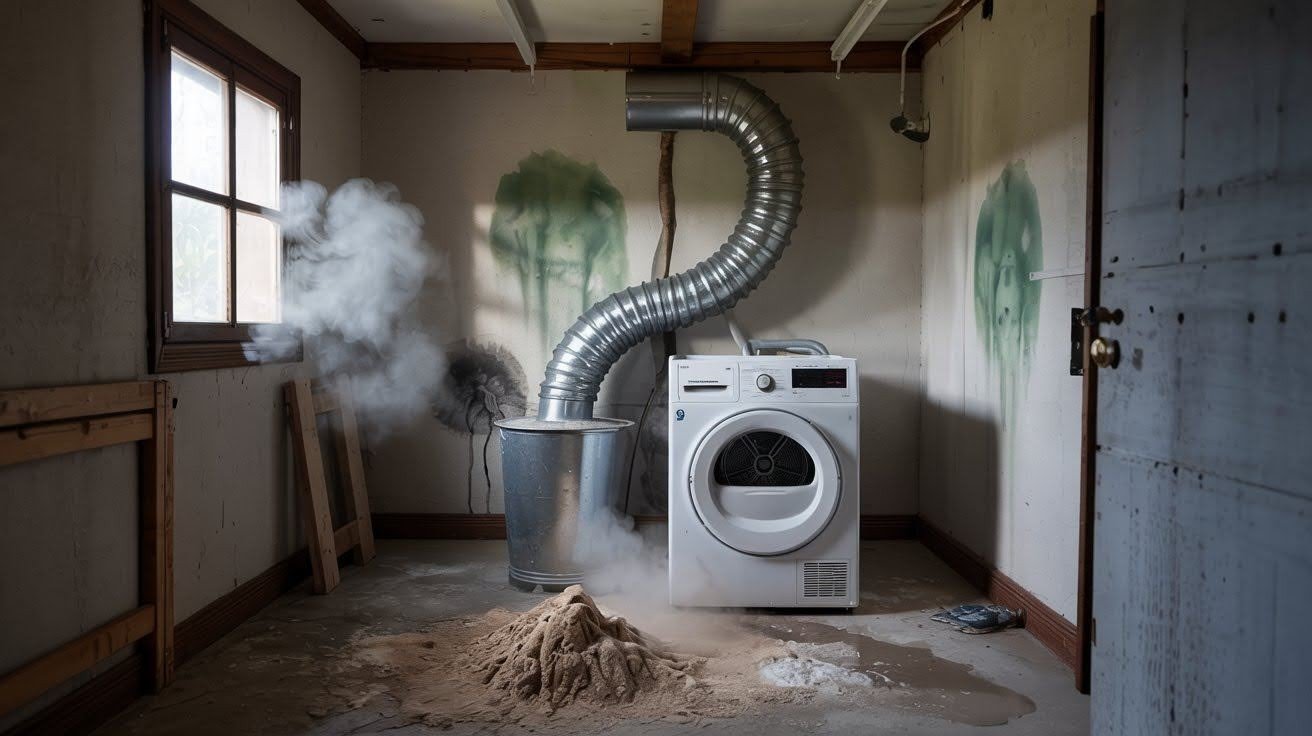
Indoor venting creates real risks that you must understand and manage carefully to protect your home and health.
1. Increased Humidity Levels
Too much moisture breeds mold and mildew. In humid climates, your walls and ceilings become breeding grounds for mold spores.
High humidity also damages furniture, warps wood, and peels paint. The problems compound over time.
2. Fire Hazard from Lint Buildup
Lint is highly flammable. When it accumulates in your vent system, you’re creating a fire risk.
The filter catches most lint, but not all. Clean your lint trap after every single load and deep clean monthly. House fires from dryer lint kill people every year.
3. Poor Indoor Air Quality
That lint floating around your home isn’t just a fire hazard. You’re breathing it in.
Dryer exhaust contains chemical residues from fabric softeners and detergents. People with asthma or allergies often experience worse symptoms.
4. Limited Compatibility
Never use an indoor vent with a gas dryer. Gas combustion produces carbon monoxide, which is odorless, colorless, and lethal.
Only electric dryers work with indoor vents. If you have a gas dryer, you must vent it outside. No exceptions.
Tips to Use Indoor Dryer Vents Safely
- Clean the lint trap after every single load. This takes 10 seconds and prevents most problems.
- Empty the water reservoir regularly: Don’t let it overflow or sit full for days.
- Run a dehumidifier in the laundry room: This counters excess moisture, especially in humid climates.
- Open a window during drying cycles: Fresh air circulation helps manage humidity and improves air quality.
- Schedule professional cleaning twice yearly: Technicians can clean deep inside the vent hose and check for hidden lint buildup.
- Inspect walls and ceilings monthly for mold. Catch problems early before they spread.
- Use your dryer on low-humidity days when possible. Check the weather forecast and plan accordingly.
- Consider an air purifier for the laundry area. This filters out lint particles and chemical residues.
Indoor vs. Outdoor Dryer Vents: Which Is Better?
| Factor | Indoor Vents | Outdoor Vents |
| Installation Cost | $20-$50, DIY friendly | $200-$500 with professional help |
| Safety | Requires vigilant maintenance, poses fire and air quality risks | Safer overall, removes hazards from home |
| Humidity Control | Adds moisture indoors, can cause mold | Vents moisture outside, no indoor impact |
| Air Quality | Releases lint and chemicals indoors | Keeps air clean by venting outside |
| Energy Efficiency | Recycles heat in winter, adds burden in summer | No indoor temperature impact |
| Maintenance | Clean after every use, professional service twice yearly | Annual professional cleaning sufficient |
| Compatibility | Electric dryers only | Works with both electric and gas dryers |
| Best For | Temporary solutions, dry climates, apartments with no options | All permanent installations when possible |
Final Thoughts
Over the years, I’ve used dryer vents both indoors and outdoors. The outdoor system is always more reliable and less stressful.
For certain circumstances, indoor dryer vents serve as short-term fixes. When you can’t alter exterior walls or are renting, they come in handy.
Simply make a commitment to routine upkeep and keep a careful eye on your indoor environment.
Install an outdoor vent if you can. The extra money is worth it for your peace of mind and air quality.
Are you unsure which choice is best for your house? Get an expert to evaluate your area and suggest the safest course of action.
Frequently Asked Questions
Can I use an indoor dryer vent with any dryer?
No, only electric dryers work with indoor vents. Gas dryers produce deadly carbon monoxide that must vent outside.
How often should I clean an indoor dryer vent?
Clean the lint trap after every load. Deep clean the entire system monthly and get professional cleaning twice per year.
Will an indoor dryer vent cause mold in my home?
Yes, it can in humid areas. The extra moisture creates mold conditions. Use a dehumidifier and check walls regularly.
Do indoor dryer vents really help heat my home?
They add modest warmth in winter but make summer uncomfortable. The energy savings are small and not worth relying on.
Are indoor dryer vents allowed by building codes?
It depends on your location. Many areas restrict or ban them. Check local codes before installing an indoor vent system.